



The Quick Take: A typical transaction process often feels like it needs to be a race against time. But shortcuts in early preparation can lead to a “domino effect” of missteps in the later stages of a process. By leveraging data-driven outreach and taking time to properly prepare, owners can move away from broad outreach and build a credible path toward preemptive outcomes.
The purpose of this post is to
- Give a sense of a representative process timeline to those who may be contemplating a future transaction
- Emphasize how our platform can make transactions more efficient by enabling key, structural changes in a process
This timeline is most representative of a typical sell-side M&A process, but most of its key elements readily translate to other processes, such as private placements.
To level set, any investment process will have four key stages, as depicted in Figure 1. Along the x-axis of the figure, we depict the passage of time. Naturally, at the beginning of a process you would engage in material preparation, and at the end of a process you would engage in final negotiations of the agreement. Along the y-axis of the figure, we depict the effort required of management or owners of the business. Typically, preparing materials and undergoing diligence require a lot of time. But if those two stages are properly conducted, they can significantly reduce the effort required during the marketing and negotiation stages.
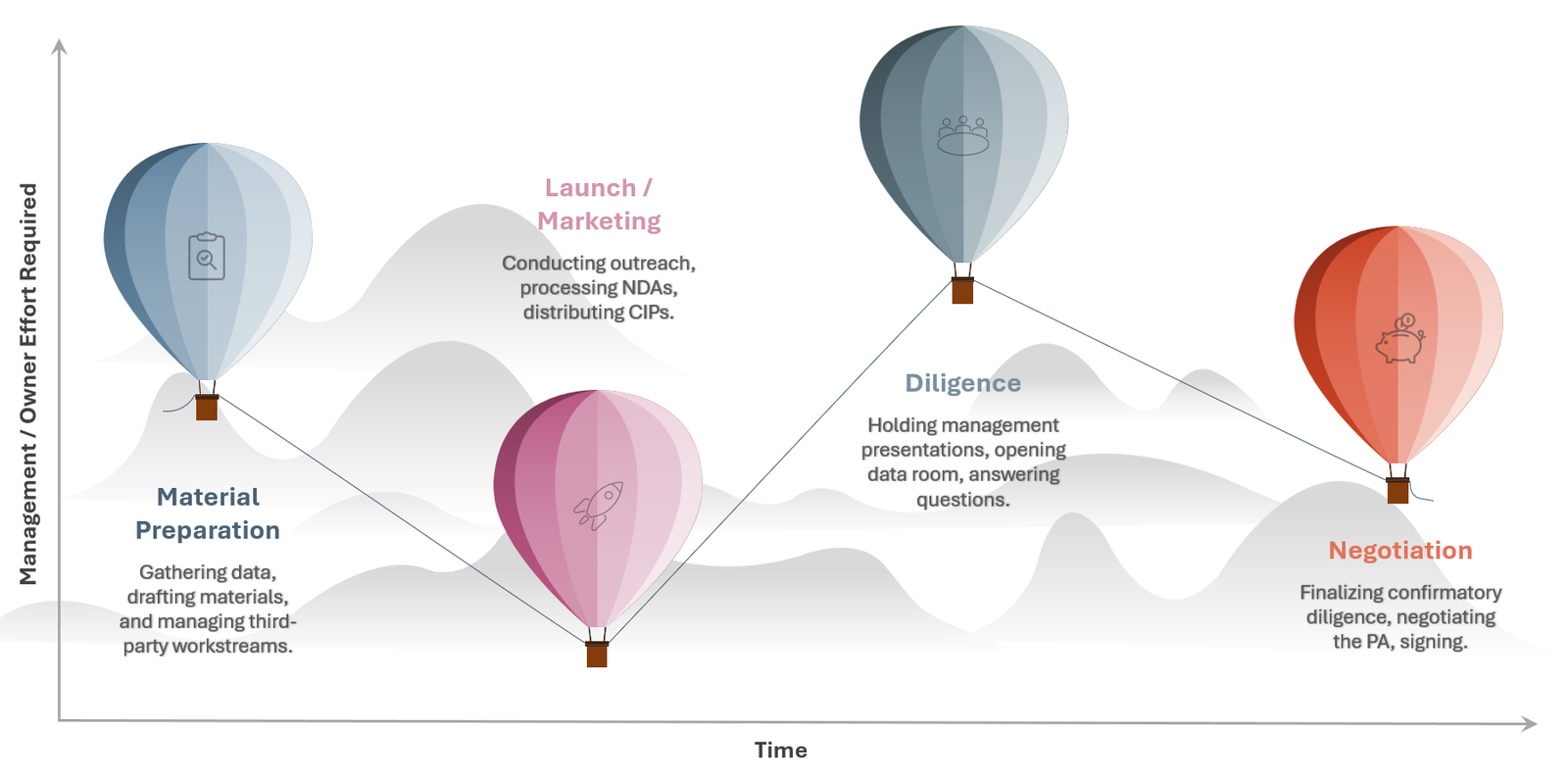
Figure 1: The four key stages of an investment process
In Figure 2, we focus on each of the four stages. The first stage, Material Preparation, entails gathering data, drafting materials, preparing analyses, and managing third-party workstreams. This stage can easily spread over three months. And in fact, for most businesses – particularly those of a greater size or complexity – this stage should extend over several months. Summarizing the full scope of operations and ensuring everything holds together requires time and careful attention to detail.
This aspect is often overlooked and discounted in processes. Taking shortcuts in the first stage and rushing to launch creates a domino effect. It can negatively impact the marketing effort and IOI outcomes while slowing down the overall pace of diligence.
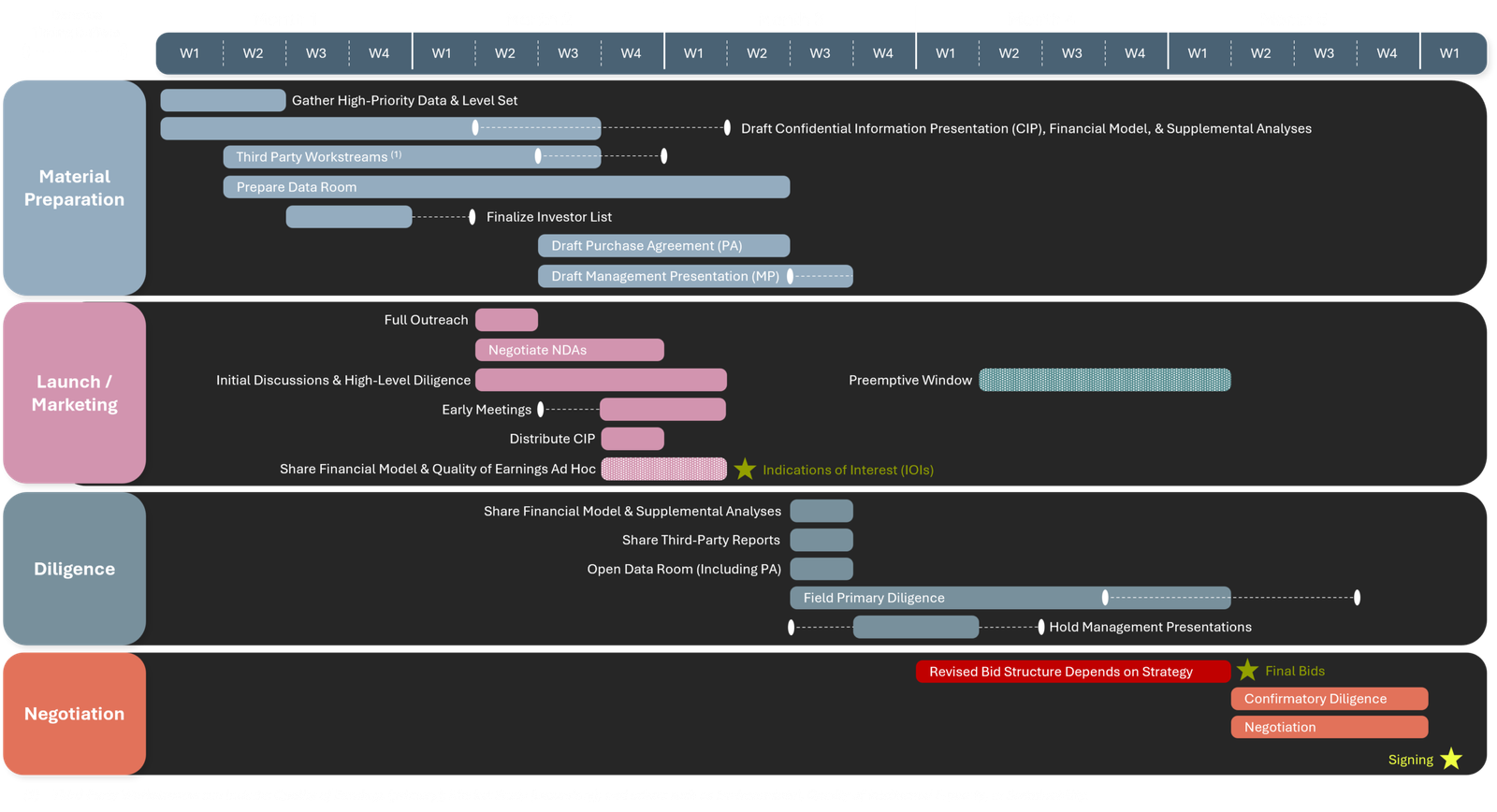
Figure 2: Detailed view of the four investment process stages
Also, as mentioned, proper material preparation can consume quite a bit of the management or owners’ bandwidth. Often this bandwidth is hard to find while simultaneously running the day-to-day operations. This is exactly where the BETTR Framework, the consultative services aspect of our platform, aims to assist. Taking steps ahead of a process and making that preparation stage more flexible (in terms of time and scope) can ensure that management and owners are properly prepared and fully understand the intricacies that may arise in the process. At the same time, digging into this preparation (by crafting the company story and examining different analyses) can often reveal ways to improve the business today.
The second stage, Launch / Marketing, is when you are officially “in market” – meaning you distribute teasers to potential investors, negotiate NDAs, share CIPs, and engage in initial discussions. It is at this stage that out Interactive Database solution can have a significant positive impact on your process structure – potentially enhancing value and reducing uncertainty and time-to-close. By drafting a company profile on your business, you can gauge the potential investment demand for your business. Gauging that investment demand enables you to optimize your Launch / Marketing structure as shown in Figure 3. You move from a broad outreach process (that many M&A processes result in) to having concrete data to tier your outreach towards high-priority parties.
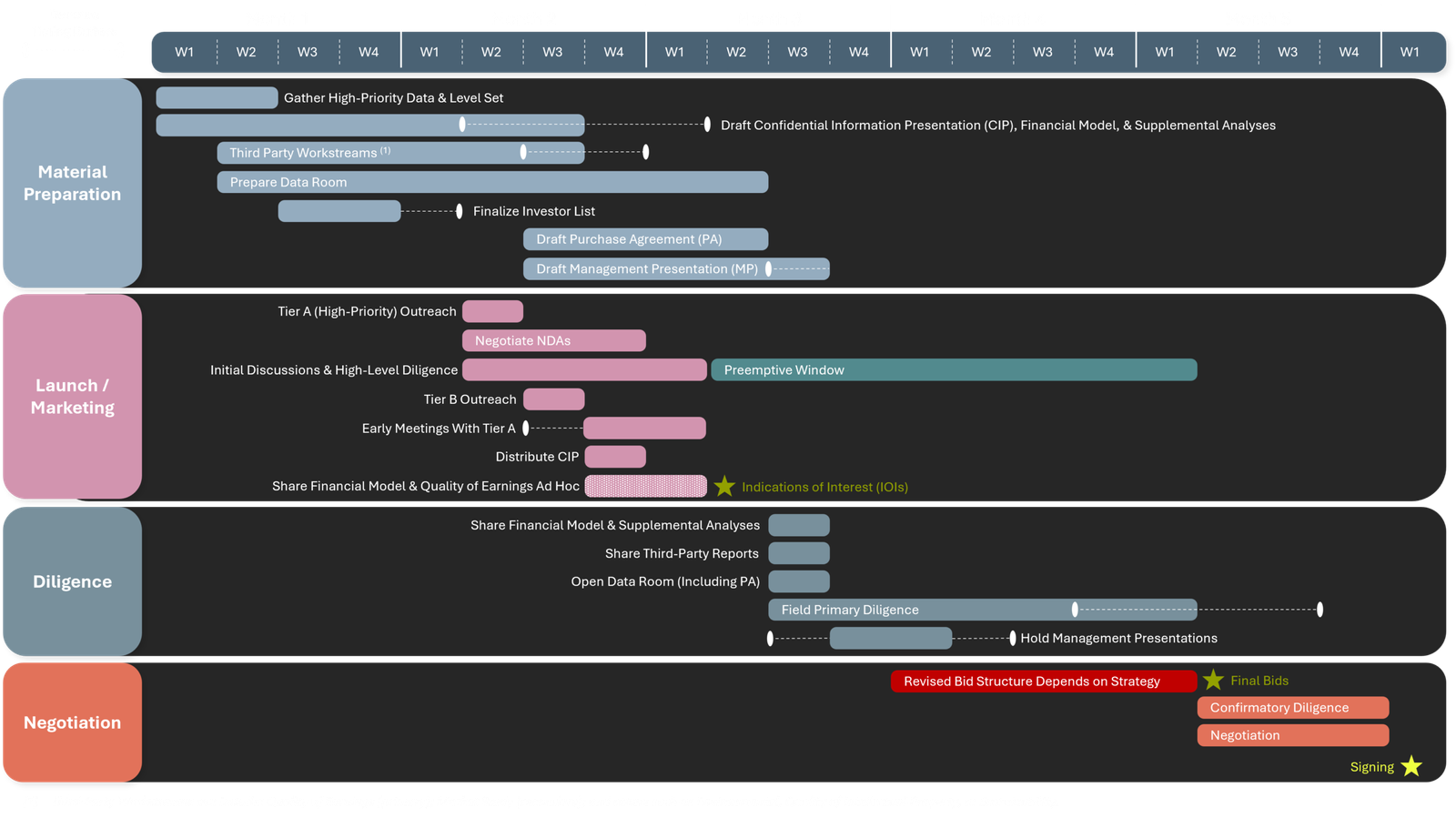
Figure 3: Optimized process structure tiers outreach and enlarges the preemptive window
Knowing which investors have a strong interest allows you to engage high-priority parties ahead of the process. You can then unearth critical diligence topics, prepare accordingly, and structure the process to enable a potential preemption. Consequently, this optimized structure makes the preemptive window longer and more credible (as depicted by the darker shade in Figure 3 versus the lighter shade in Figure 2).
Furthermore, we’ve designed our Interactive Database solution to provide these benefits, not only to management and owners, but to advisors / broker-dealers as well. By having these data, advisors / broker-dealers can assist your business and concretely suggest efficient, credible timelines to pursue.
If the above steps are taken, the third stage – Diligence – should be efficient. And by moving through Diligence efficiently, you increase the likelihood of obtaining a preemptive outcome.
Like the third stage, the Negotiation stage (i.e., the fourth stage) depends, to some degree, on how well you execute the prior stages. That said, it also entails a good amount of luck. Having a strong competitive dynamic (e.g., multiple investors entering final bids) is the strongest chip you can hold at this stage. Without a strong competitive dynamic, you really need to understand your willingness to transact. Understanding that “indifference point” – i.e., where you are truly comfortable walking away – provides the credibility to skillfully negotiate when the competitive dynamic wanes.